 Ingyenes átvétel országosan
 Kosár
Kosár 


 Hűségklub
 Bejelentkezés / Regisztráció
Részletes kereső


(1 vélemény)

Állapot
Készleten
Jó
Központi raktár

Lapélein és pár oldal szélén halvány foltokkal. Védőborítója elszíneződött.

25
hűségpont

Hogy működik az alku?
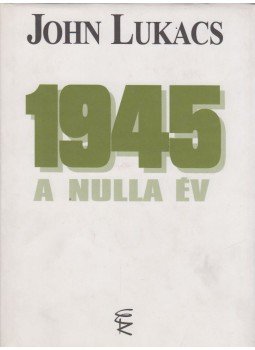
1945 a világ újkori történelmében talán az első globális mérföldkő volt - írja a világhírű, magyar származású amerikai történészprofesszor könyvében, amely e sorsdöntő esztendővel foglalkozó történelmi esszé. John Lukacs rövid áttekintés után felvázolja azoknak a politikusoknak a portréját, akiknek nézetei és döntései meghatározták a világ sorsát: Hitlerét - ,,mindent egybevetve Hitler mégiscsak államférfi volt"; Churchillét - ,,1945-ben, élete hetvenedik évében öreg, megfáradt ember képét mutatta, de a világot még mindig messze tekintően és dacosan szemlélte"; Rooseveltét -,,Gondolkodása elfogadta és tükrözte kora liberális Amerikájának általánosan elfogadott elveit"; Sztálinét ,,Nyugati szövetségesei nem eléggé értették meg..., hogy Sztálin a Szovjetunió nagy visszhangot keltő háborús győzelmei ellenére is mennyire bizonytalan"; Trumanét ,,Korlátai körének korlátai voltak". Ezután elsősorban a korabeli véleményformáló hetilapok alapján áttekinti az amerikai közvélemény és néphangulat főbb jellemzőit: ,,Mit gondoltak az amerikaiak 1945-ben, amikor a világ urai voltak?" Könyvének második, személyes hangvételű részében a szerző felidézi, miket tapasztalt fiatalemberként az ostrom utáni Budapesten, milyennek látta az amerikaiakat, angolokat, oroszokat, kommunistákat, opportunistákat, s hogyan jutott arra a döntésre, hogy hazáját és családját elhagyva Nyugatra meneküljön.
Mutass kevesebbet

| ISBN: | 9630761114 |
|---|---|
| Kiadó: | Európa Kiadó |
| Kiadás éve: | 1996 |
| Kiadás helye: | Budapest |
| Nyomda: | Szekszárdi Nyomda |
| Kötés típusa: | fűzött kemény papír kiadói borítóban |
| Terjedelem: | 253 |
| Fordítók: | Barkóczi András |
| Nyelv: | magyar |
| Méret: | Szélesség: 14.50 cm, Magasság: 20.00 cm |
| Súly: | 0.00 kg |
| Kategória: | Történelem / Újkor-legújabb Kor / Történelem / Politika / Történelem / Újkor-legújabb Kor / Egyetemes / Történelem / Ii. Világháború |

Ajánlja ismerőseinek is!
Kívánságlistára teszem ezt a könyvet!

Megnézem a tartalomjegyzéket!

Szerzőfigyelő
1924
John Adalbert Lukacs született Lukács János Albert (Budapest, 1924. január 31. –) Széchenyi-díjas magyar születésű amerikai történész.
Az Ön ajánlója
Alkupontjait és hűségpontjait csak belépett felhasználóként írjuk jóvá. Csak könyvajánló esetén írjuk jóvá a jutalmakat.
Írjon ajánlót a könyvről, hogy mások is kedvet kapjanak az elolvasásához. Kérjük ne a könyv állapotáról és a kiszolgálásról írjon véleményt.

1045 Bp. Istvántelki út 10-12.
Telefon: +36 1 443-3460
Hétfőtől - péntekig 8 óra 30 perctől 17 óráig.

1053 Bp, Múzeum körút 39.
Telefon: +36 1 443-3461
Hétfőtől - péntekig 10 órától 18 óráig
szombaton zárva.


Ezt a webhelyet a reCAPTCHA védi. A Google adatvédelmi irányelvei és szolgáltatási feltételeiérvényesek.
Vélemények a könyvről
Apparently this is one of the less-know and read books of John Lukacs, the later historian, who fled communist-turning Hungary in 1946. The book has 2 parts, the first is trying to analyze why 1945 was a pivotal year in world politics, more important in fact that any other year or significant date before. He is trying to do this via painting a picture of the most important contributors to this year: Hitler, Stalin, Churchill, Roosevelt and Truman. These are insightful and enjoyable reads, giving many interesting tidbits of information, although nothing that we have not read before. There's a deterministic view here that these personalities defined this given year, the ones leading up to it and by virtue the decades that followed in world politics. His general idea is that barring Churchill, noone knew exactly what they wanted to achieve, but were swept by the current, trying to feel what the other side would do (mostly in the American-Soviet relations). Churchill is painted as the only one realizing what the Red Army occupation would mean to Central Europe but Roosevelt (or Eisenhower for that matter) not interested in this part of Europe, therefore their slow advancement through Germany and not reaching Prague or Vienna to save them from the Soviets. I enjoyed reading Lukacs's analysis of Truman and how the US popular sentiment defined the politics then and later, how that meant that the US acted late on stopping the Soviets while it was possible. Truman later inaugurated his much more confrontational doctrine, but that was too late to save Czechoslovakia, Hungary or even Poland integrated behind the Iron Curtain. The 2nd part of the book (only 50 pages or so though) was much more genuine, as Lukacs describes his own experiences of 1945 Budapest, how the Red Army came through and what life in general was like in those days. He describes how later on the British and American delegations arrived and set up shop, how everyone wanted to get close to them one way or another. He overall has an excellent view of Americans (hardly surprising), a moderate but well-intentioned view of the British and an almost brute-like, uncivilized and insecure description of the Russians, which all seem pretty generalized. I wasn't there though and he was, so I have absolutely no basis to criticize him in this regards. Overall a good read, definitely adds much colour for those interested in WWII and why the Cold War happened like it did, how it felt like from Hungary back then and why our current world is still struggling on with the systemic legacy of 1945. (disfunctionality of the UN etc...)